شن نونگ Shennong (بالصينية: 神農 وبالمبسطة: 神农 وبالپن ين: Shénnóng), وأيضاً يـُعرف باسم الامبراطور يان (炎帝) أو امبراطور الخمس حبوب (صينية تقليدية: 五穀先帝; صينية مبسطة: 五谷先帝; پنين: Wǔgǔ xiāndì), هو حاكم الصين الأسطوري وبطل ثقافي في الأساطير الصينية والذي يـُعتقد أنه عاش منذ نحو 5,000 عاماً مضت, وعلّم الصين القديمة أساليب الزراعة. لذا فقد كان مناسباً، أن يعني اسمه "الفلاح المقدس". ويعتبر أبو الزراعة الصينية، هذا الامبراطور الأسطوري علّم رعاياه كيفية زراعة الحبوب كغذاء، ليتجنبوا قتل الحيوانات.
شن نونگ
شن نونج هو إمبراطور صيني جاء خلفا للإمبراطور فوشي وأدخل هذا الامبراطور في البلاد الزراعة ، واخترع المحراث الخشبي ، وأقام الاسواق وأوجد التجارة ، وأنشأ علم الطب بما عرفه من خواص النبات العلاجية. وأعقبه في الحكم الإمبراطور هوانج دي.
معرض صور
Shennongding: "Shennong's peak", associated with the story that Shennong had a ladder which he used to climb up and down the mountain, and which later turned into the local forest.
A picture of Shennong bencao jing (Shennong's Root and Herbal Classic): a classic work on plants and their uses, named in attribution to Shennong.
Shennong tasting plants to test their qualities on himself.
The Shennongxi Bridge near its confluence with the Yangtze River.
Shennong Temple in Taiwan — where he is worshiped under the names King Yan, God of Five Grains, Shennong the Great Emperor, the Ancestor of Farming, Great Emperor of Medicine, God of Earth, and God of Fields.[1]
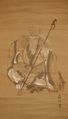
Shennong (Shinnō in Japanese) tasting herbs to discover their qualities; a distinctive, iconic pose often used in depictions of Shennong; in this case from a 19th-century Japanese painting.
.jpg&filetimestamp=20171105020024&)

 Shennongding: "Shennong's peak", associated with the story that Shennong had a ladder which he used to climb up and down the mountain, and which later turned into the local forest.
 A picture of Shennong bencao jing (Shennong's Root and Herbal Classic): a classic work on plants and their uses, named in attribution to Shennong.
 Shennong tasting plants to test their qualities on himself.
 The Shennongxi Bridge near its confluence with the Yangtze River.
![Shennong Temple in Taiwan — where he is worshiped under the names King Yan, God of Five Grains, Shennong the Great Emperor, the Ancestor of Farming, Great Emperor of Medicine, God of Earth, and God of Fields.[1]](/w/images/thumb/8/83/%E8%87%BA%E5%8D%97%E8%97%A5%E7%8E%8B%E5%BB%9F%E6%AD%A3%E9%9D%A2.JPG/90px-%E8%87%BA%E5%8D%97%E8%97%A5%E7%8E%8B%E5%BB%9F%E6%AD%A3%E9%9D%A2.JPG)


![Shennong Temple in Taiwan — where he is worshiped under the names King Yan, God of Five Grains, Shennong the Great Emperor, the Ancestor of Farming, Great Emperor of Medicine, God of Earth, and God of Fields.[1]](/w/index.php?title=%D9%85%D9%84%D9%81:%E8%87%BA%E5%8D%97%E8%97%A5%E7%8E%8B%E5%BB%9F%E6%AD%A3%E9%9D%A2.JPG&filetimestamp=20190220113001&)
_derivative.jpg&filetimestamp=20190220042714&)


